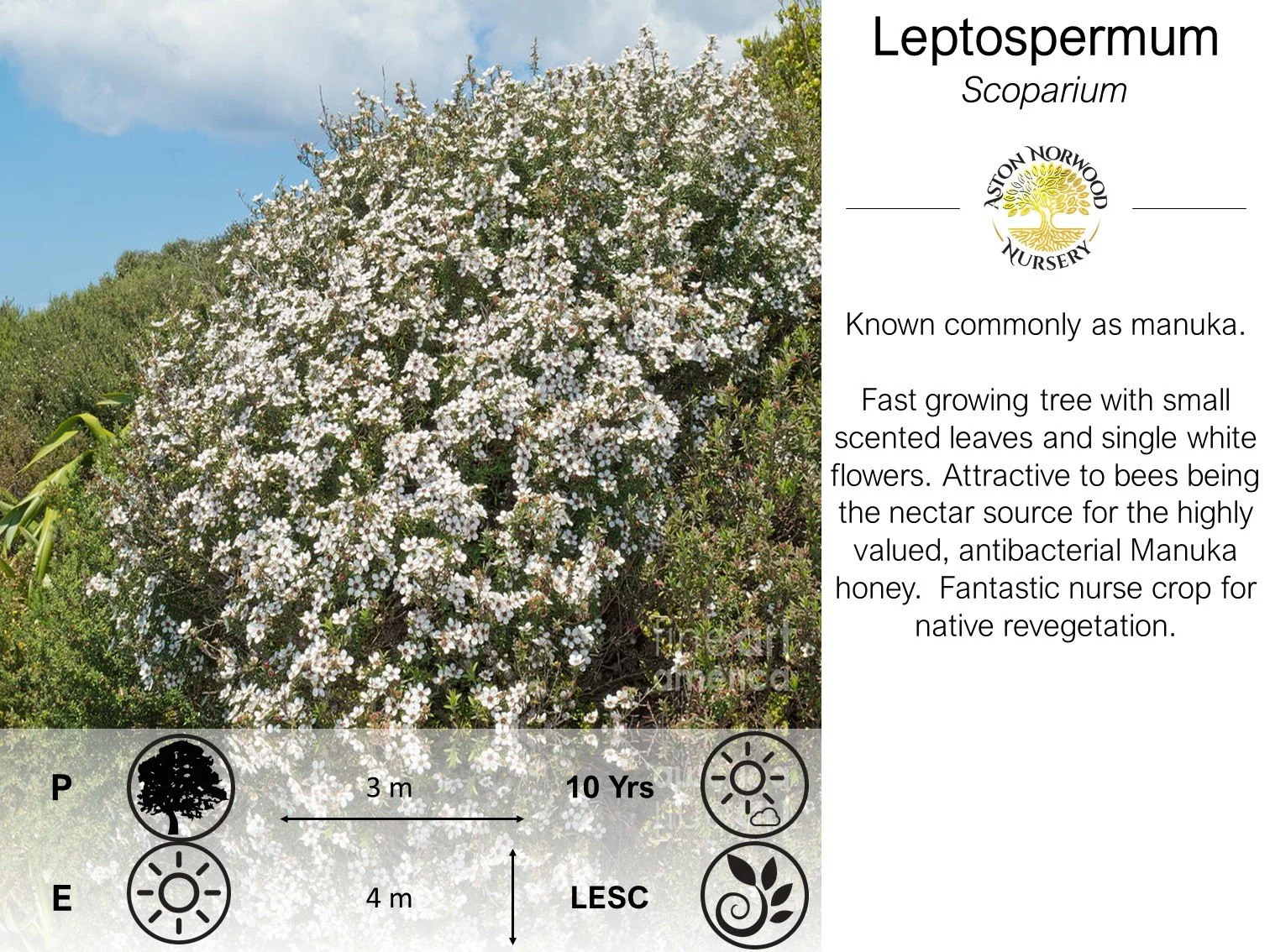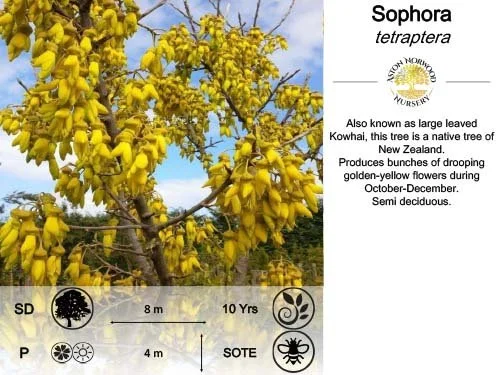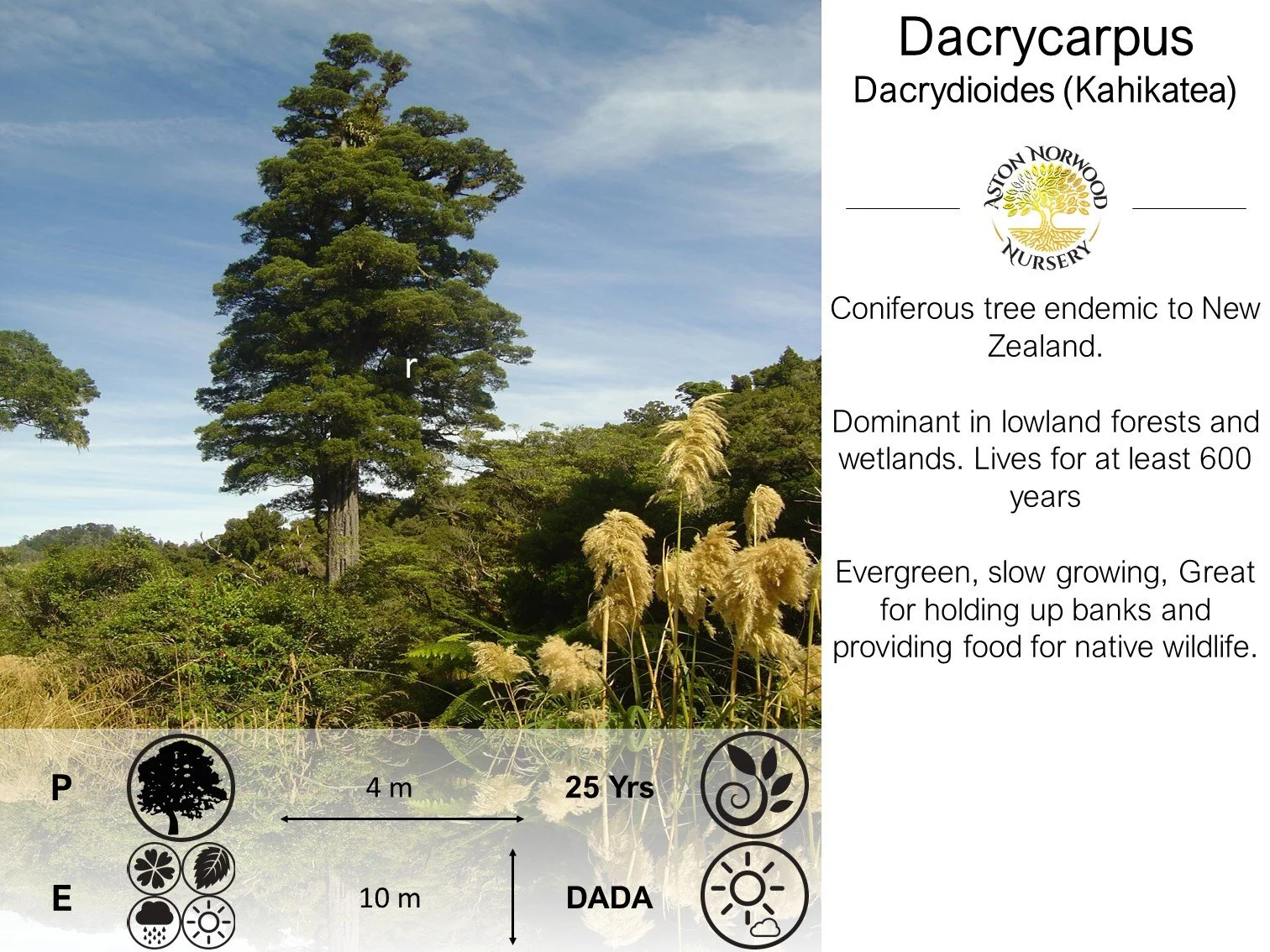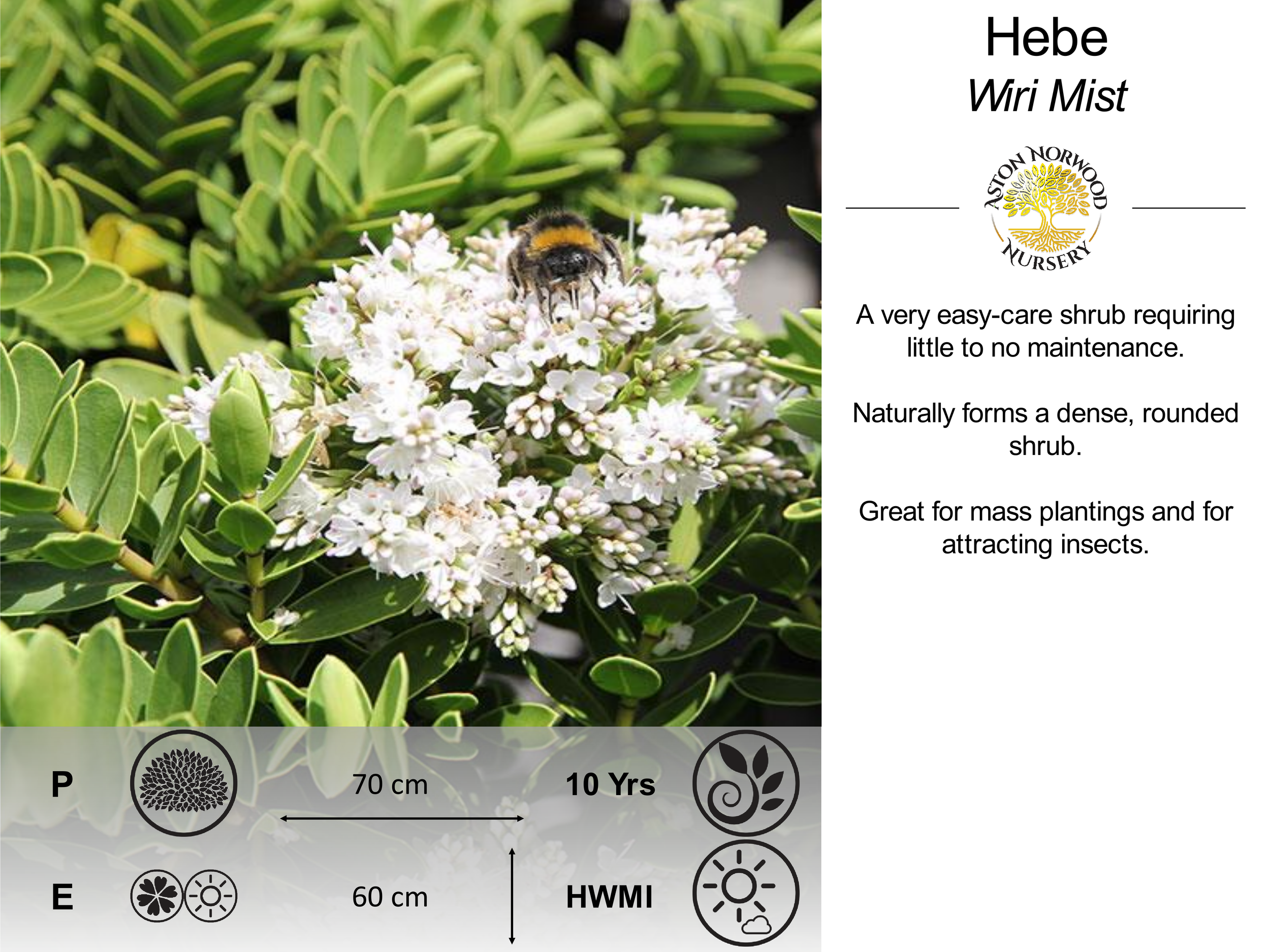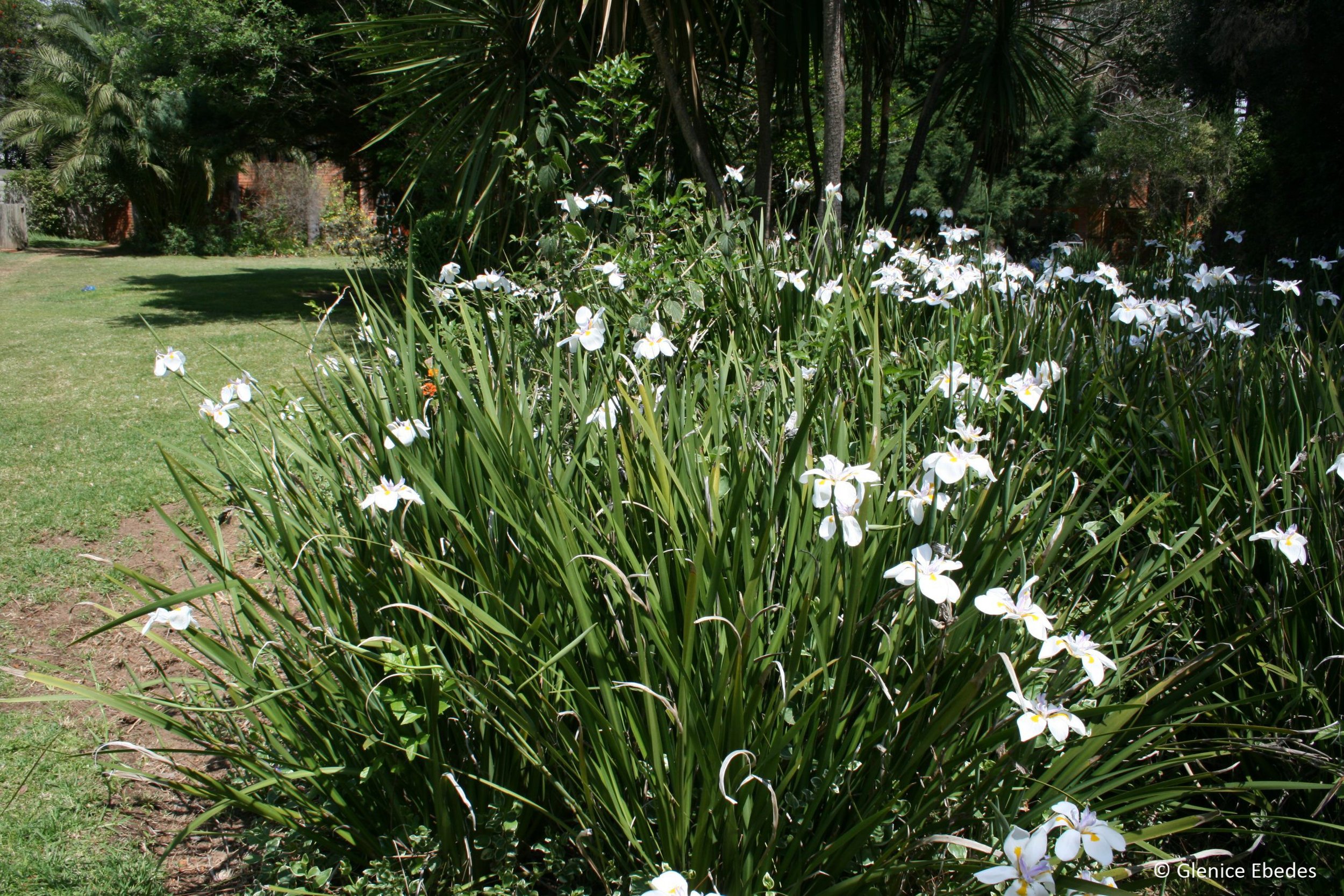
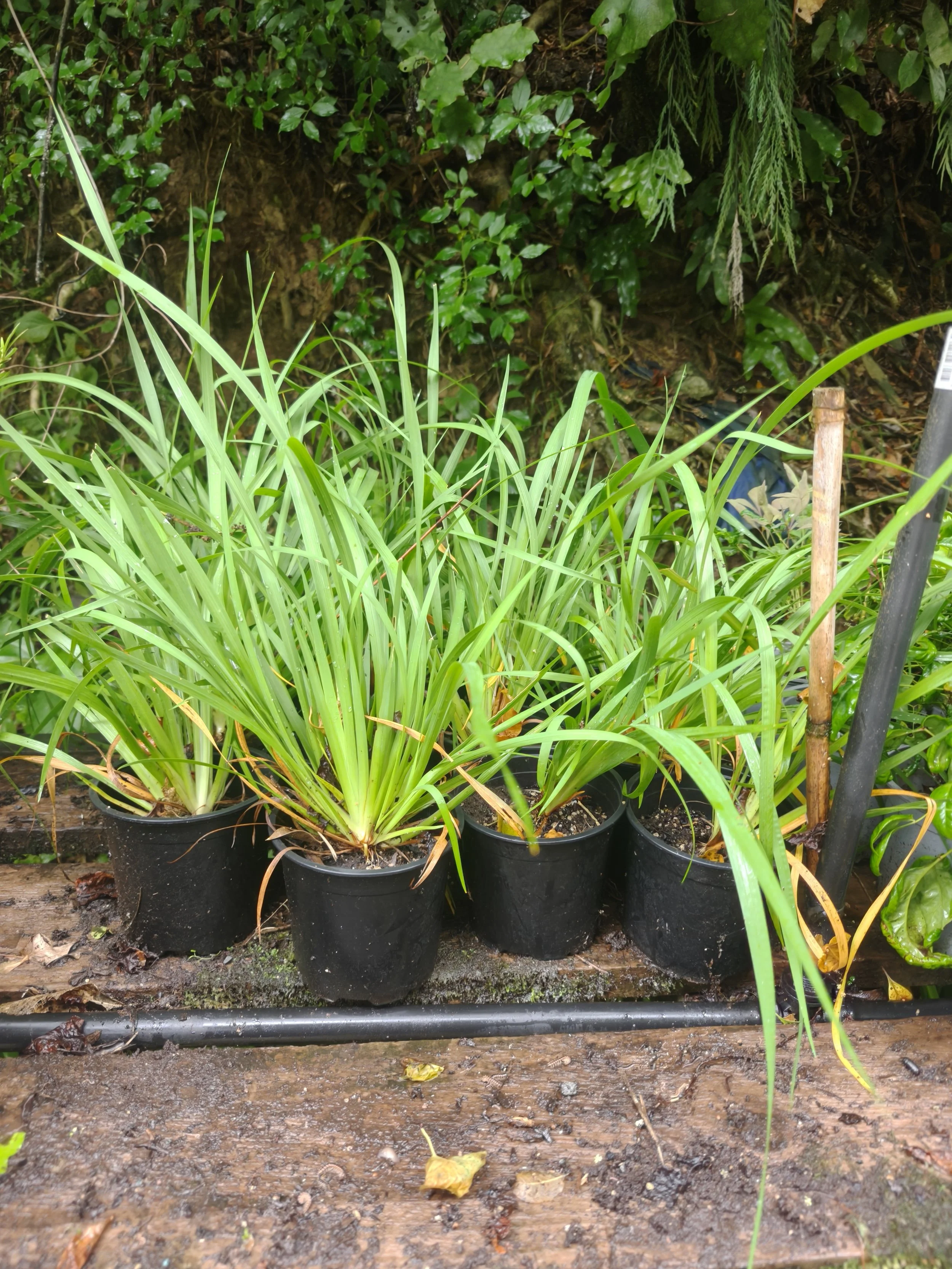
Dietes grandiflora (African iris) is a clumping perennial with upright, sword-shaped leaves and elegant, short-lived white flowers with yellow-and-purple markings. Hardy and low-maintenance, it thrives in full sun to part shade and tolerates a range of soils, making it ideal for borders, mass plantings, or near water features. It spreads by rhizomes to form dense, evergreen clumps and is drought-tolerant once established. Blooms most profusely in spring and summer, attracting pollinators and providing a neat, architectural presence in the garden.
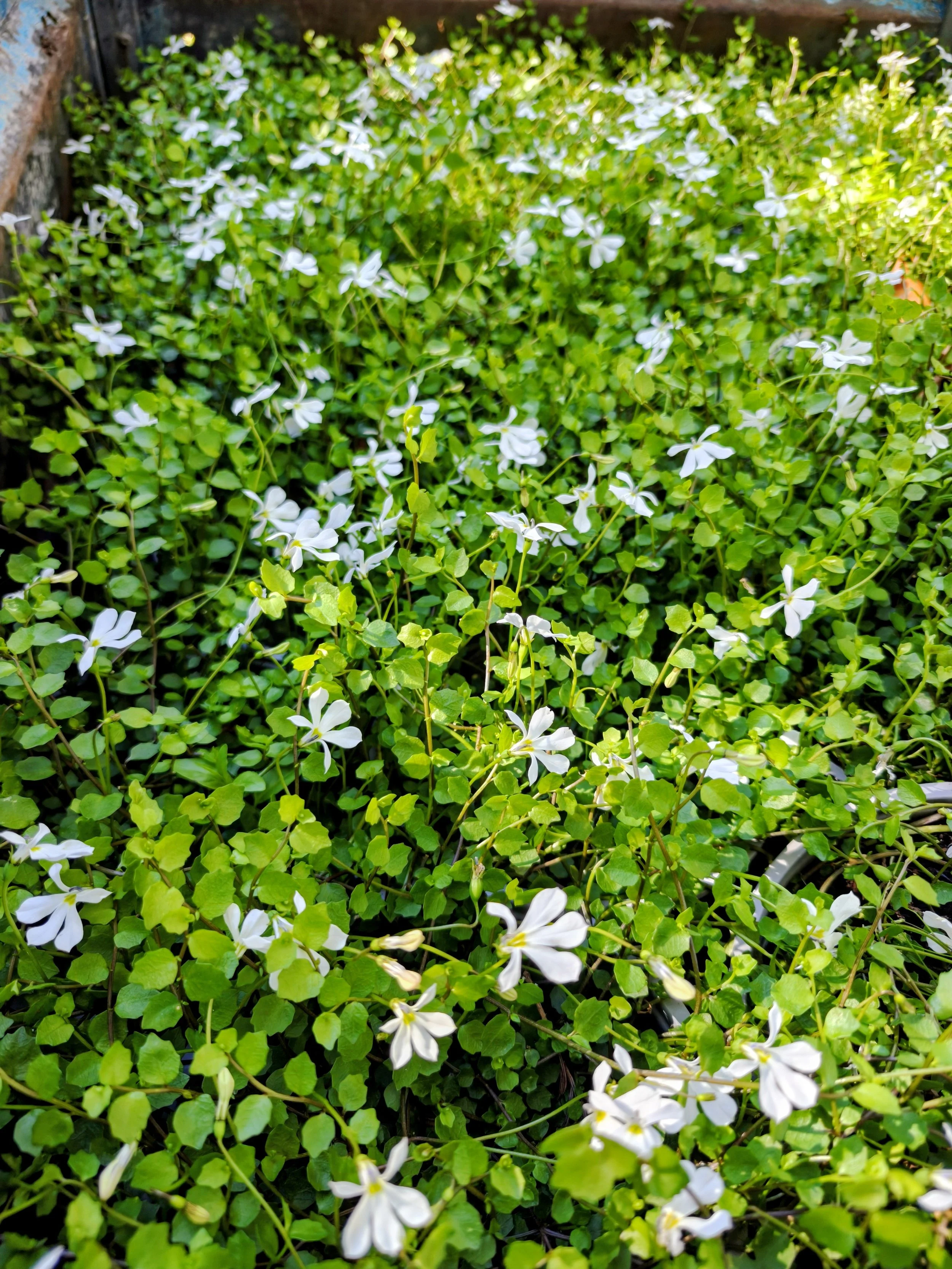
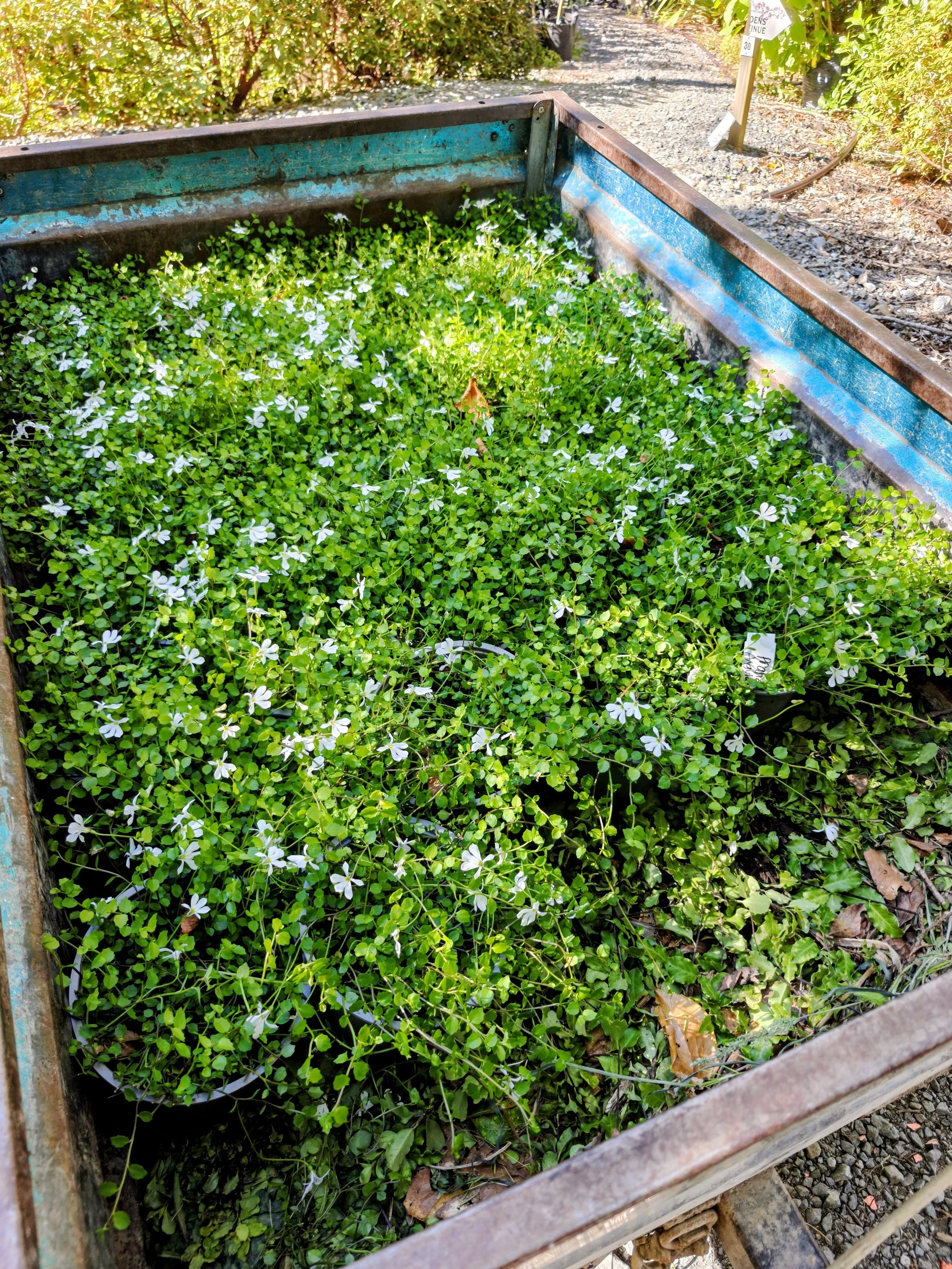
Pratia angulata (commonly called star creeper) is a low-growing, spreading perennial native to New Zealand and Australia. It forms a dense mat of tiny rounded leaves and produces masses of small, five-petaled white star-shaped flowers from spring through summer and even into autumn. Ideal as a lawn alternative, between pavers, or as a groundcover in rock and cottage gardens, it prefers moist, well-drained soil and part shade to full sun. Pratia angulata is hardy, low-maintenance, tolerates light foot traffic, and self-spreads to fill gaps, creating a soft, carpet-like effect.
1.5L
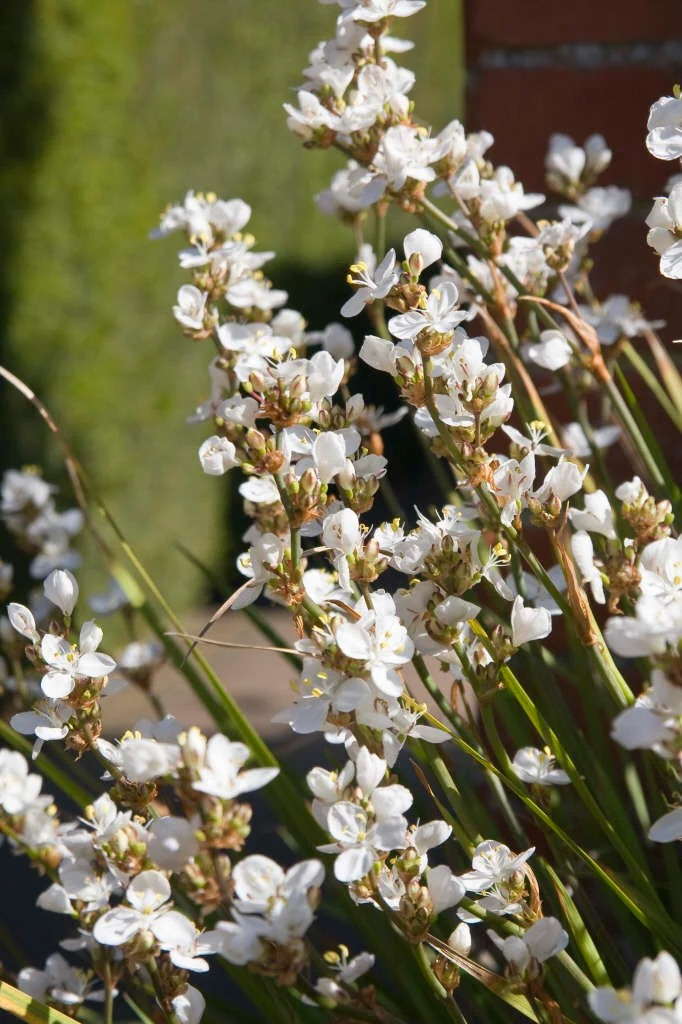
Libertia formosa (also known as New Zealand iris or white freedom) is a clump-forming evergreen perennial native to New Zealand. It produces strap-like, arching blue-green leaves and tall, slender stems that bear clusters of fragrant, white, iris-like flowers in spring to early summer. After flowering, it sets attractive blue seed pods that add seasonal interest. Libertia formosa prefers well-drained soil in full sun to part shade, is drought-tolerant once established, and makes an excellent edging plant, groundcover, or low-maintenance accent in mixed borders and coastal or cottage-style gardens.
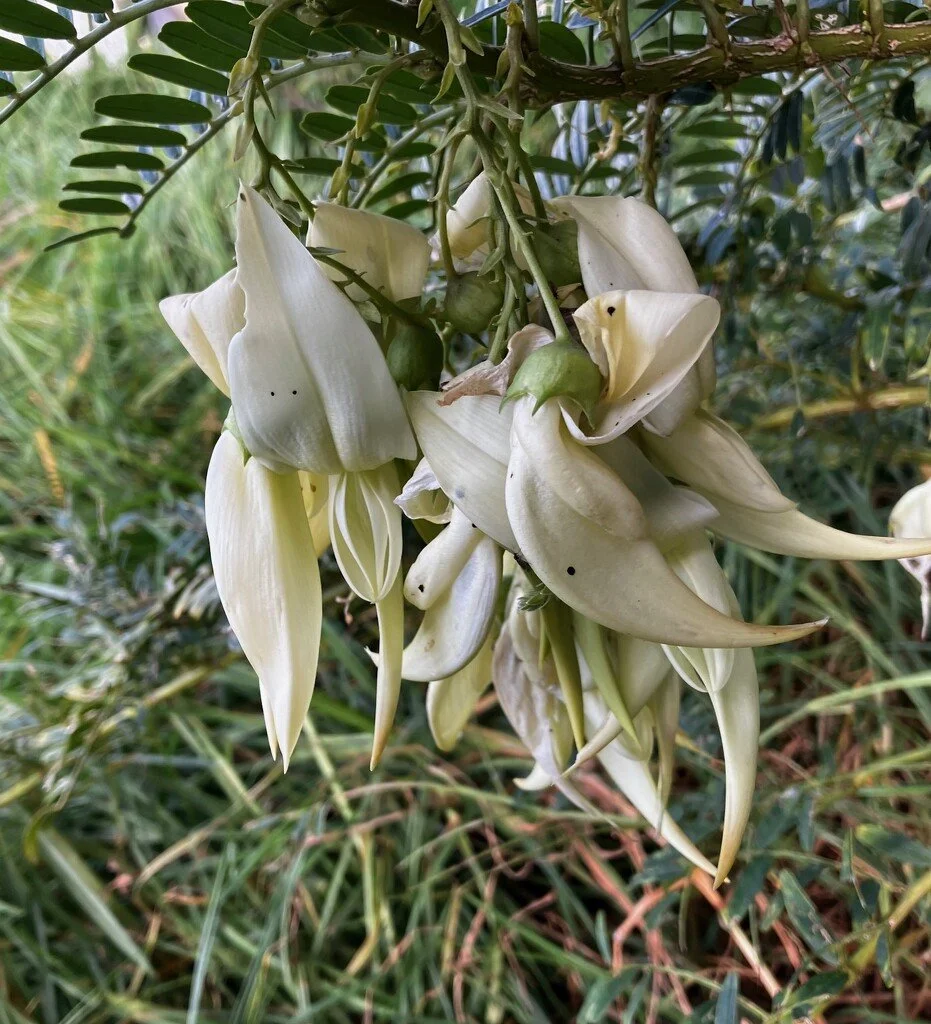
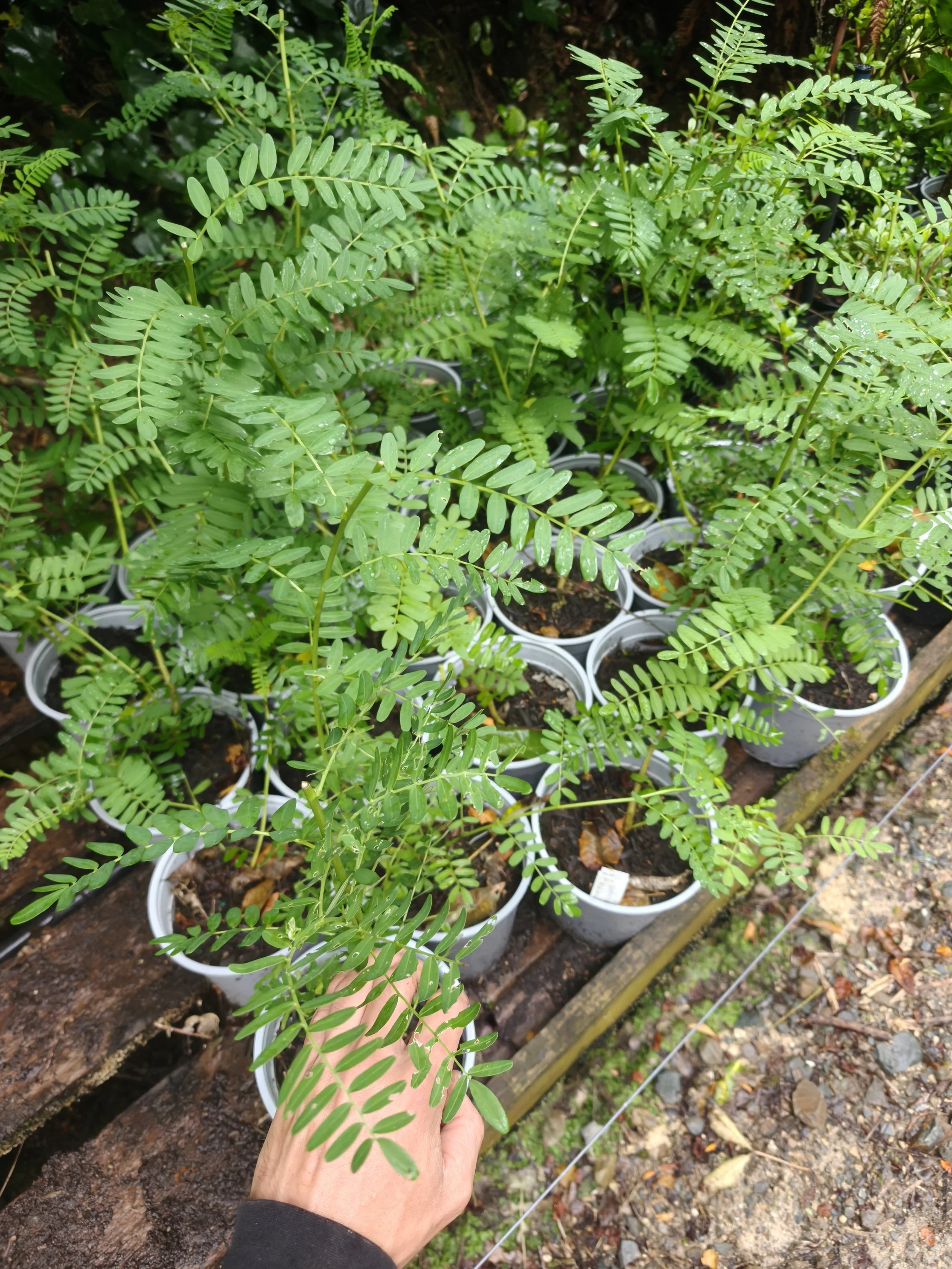
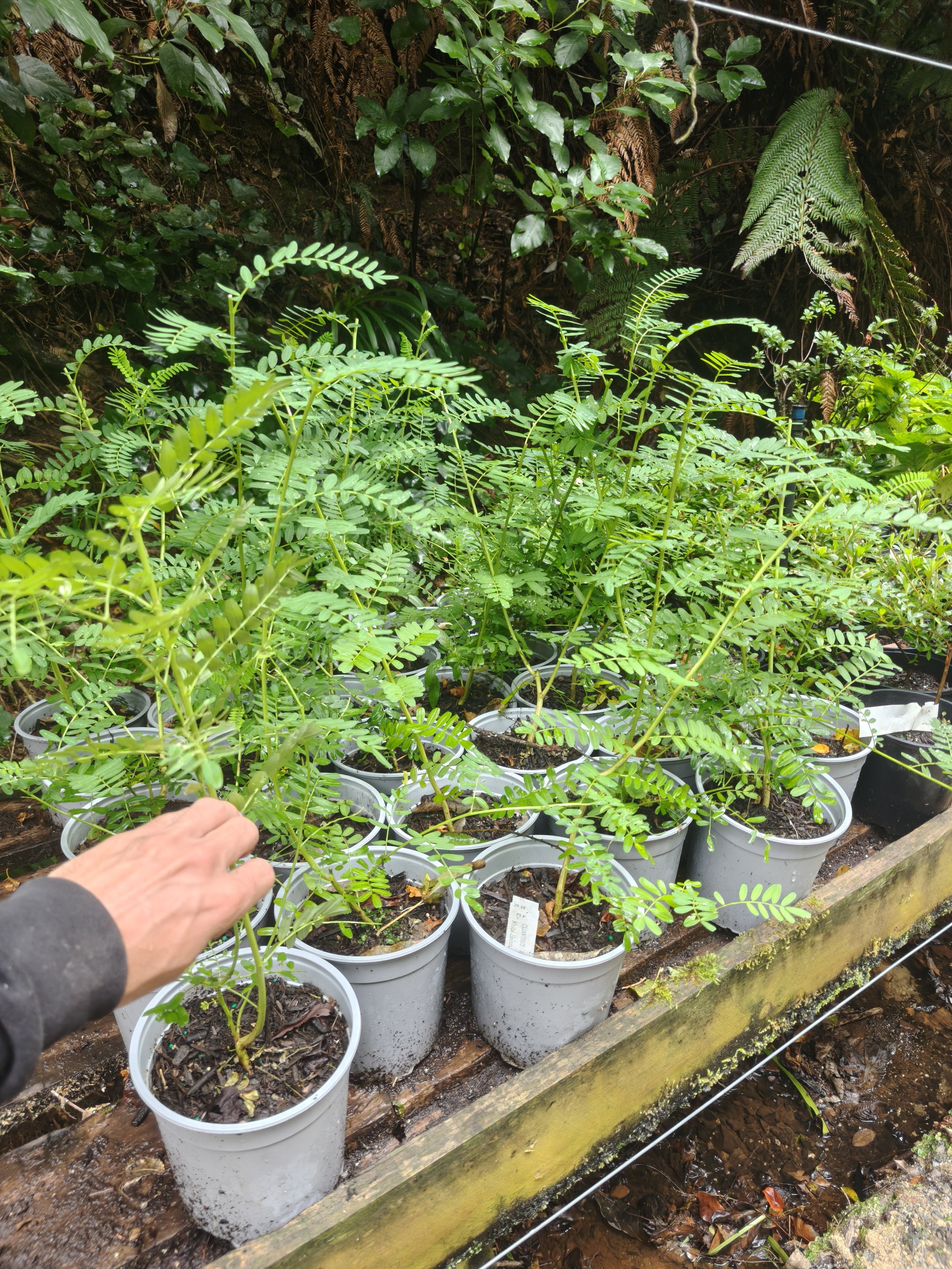
Kakabeak White Heron (Clianthus puniceus 'White Heron')
A striking evergreen shrub with arching branches clothed in glossy, pinnate leaves. In late spring to summer it produces abundant pendulous, pea-like flowers shaped like cranes or beaks — pure white in this cultivar — that dazzle against the dark foliage. Grows 1.5–2.5 m tall and wide; prefers full sun to partial shade and well-drained soil. Moderately frost-tender; shelter from harsh winter winds. Excellent as a specimen plant, in mixed borders, or trained against a sunny fence. Deadhead spent blooms to encourage more flowering; occasional pruning after flowering keeps shape and vigor. Attracts birds and pollinators, adding sculptural floral interest to the garden.
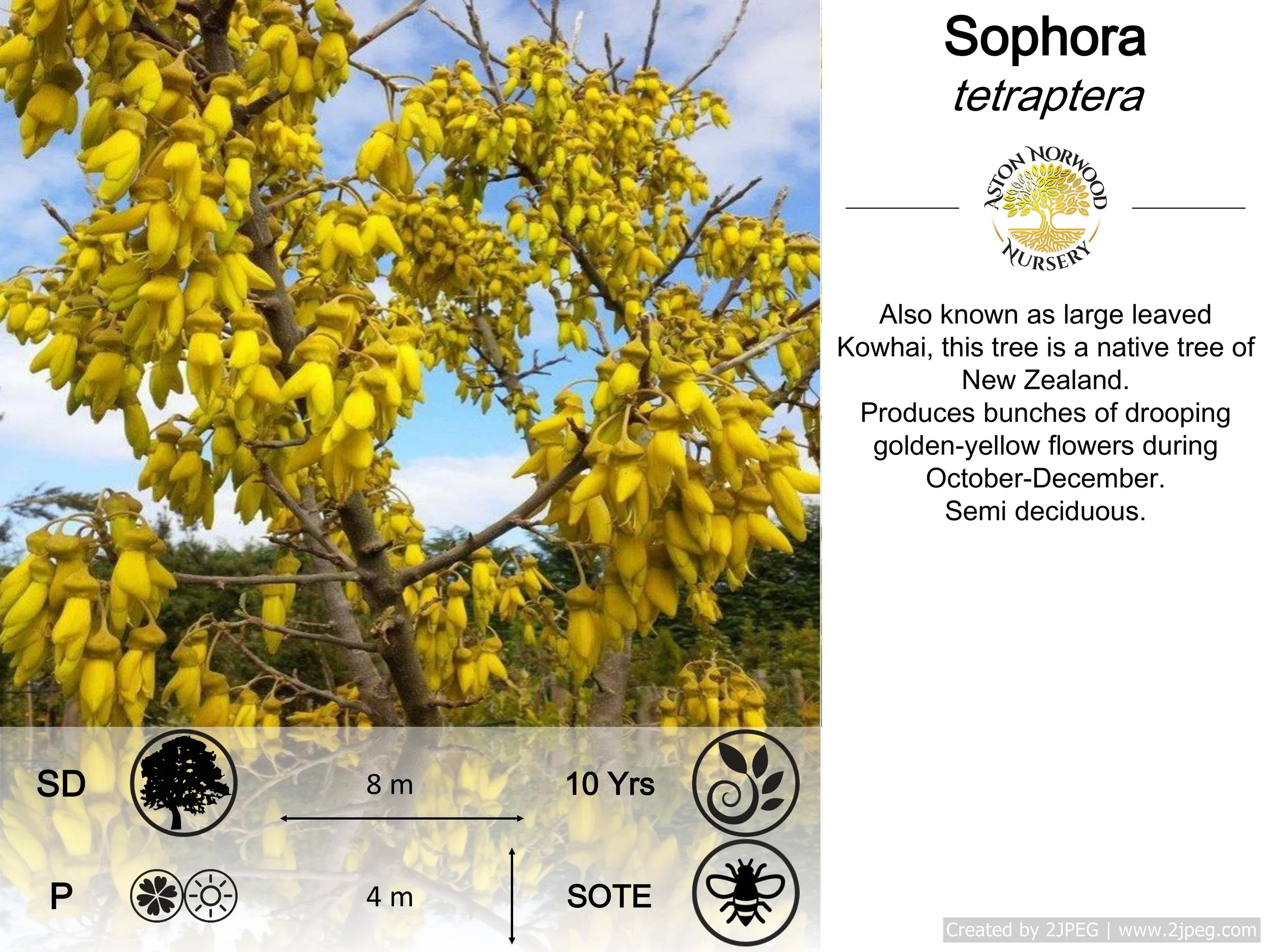
Sophora tetraptera, commonly known as the Large-leaved Kowhai, is a native New Zealand tree known for its striking bright yellow flowers that bloom in spring. It features larger, oval-shaped leaves compared to other kowhai species, providing a lush, green canopy. This tree thrives in well-drained soils and sunny locations, making it a popular choice for gardens and restoration projects. It attracts native birds like tui and bellbirds, supporting local wildlife while adding vibrant color to landscapes.
No results match your search. Try removing a few filters.